Medicaid Redeterminations: Why Eligible Members Churn
BLOG
The unwinding revealed that most Medicaid disenrollments were paperwork-driven rather than eligibility findings, exposing a communication problem wearing a compliance costume. The Medicaid unwinding produced the largest natural experiment in member communication that this industry has ever run. The results should change how every plan approaches renewal outreach.
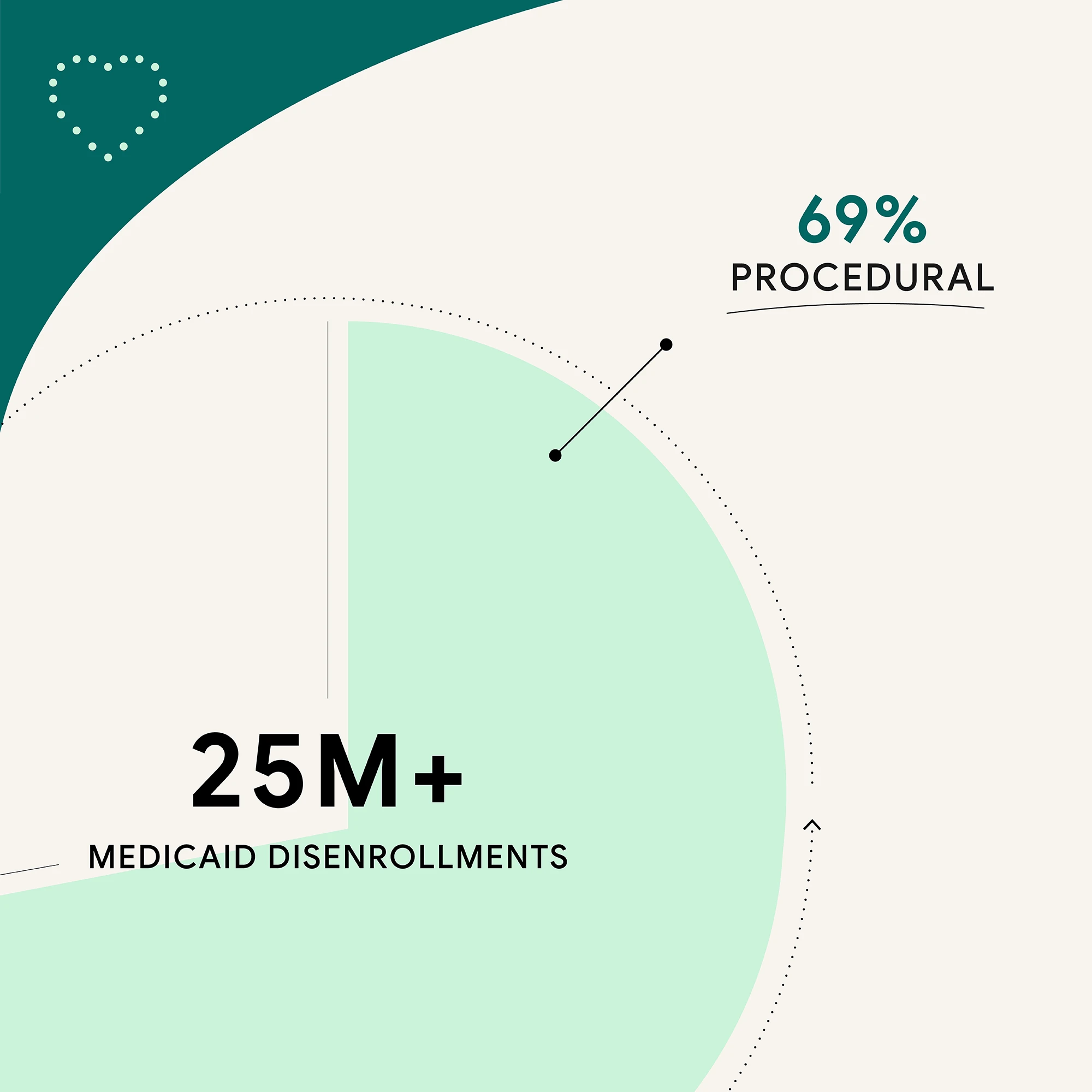
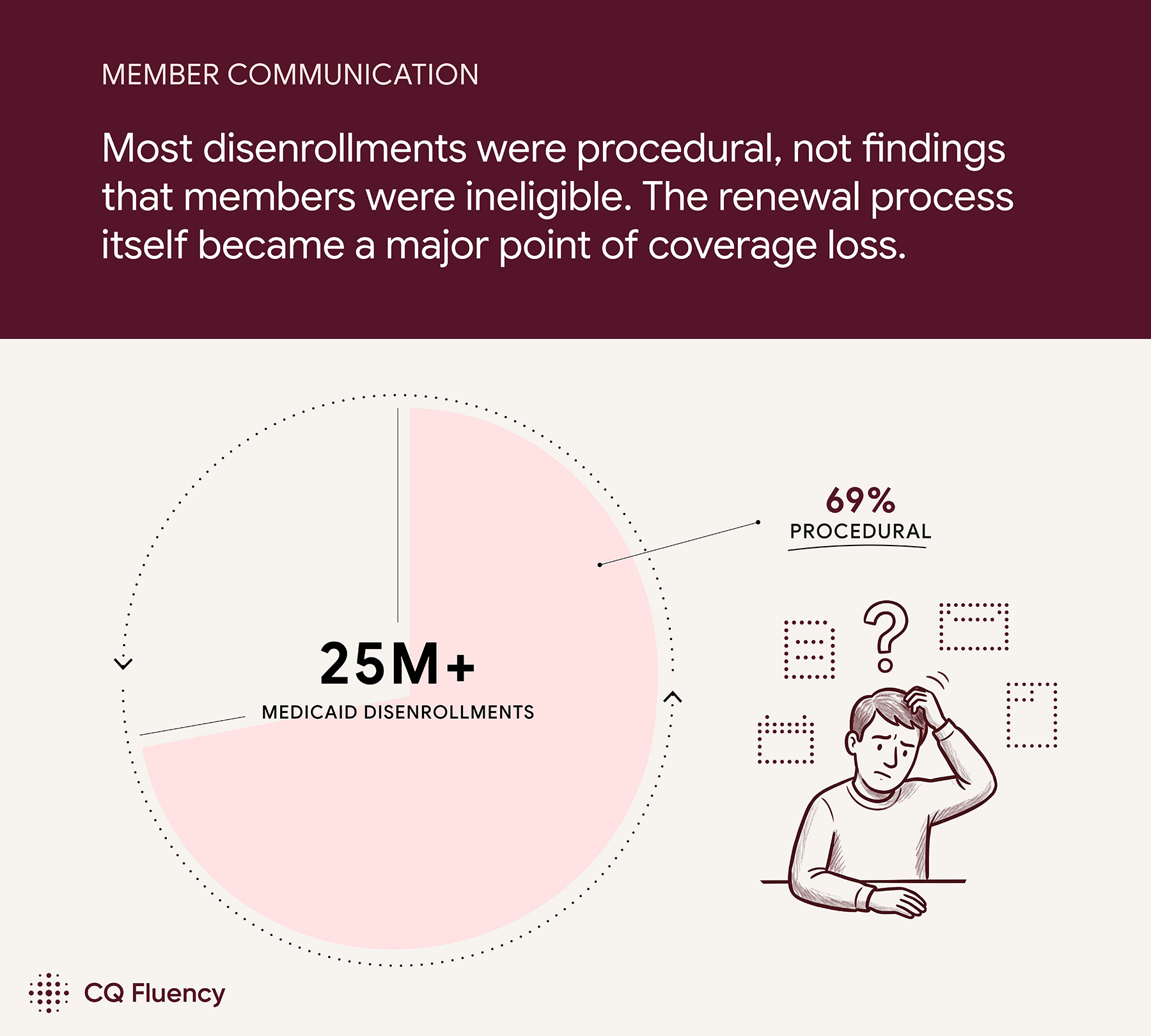
More than 25 million people were disenrolled as states worked through redeterminations. The number that matters: roughly 69% lost coverage for procedural reasons: missing paperwork, unreturned forms, or notices that never landed, not because anyone determined they were ineligible.
Millions of people who likely still qualified lost coverage because the renewal process didn’t reach them. For the plans that served them, every loss took revenue, risk-pool quality, and continuity of care with it, without a single eligibility decision being made.
The evidence that this was a comprehension failure
It would be convenient to file procedural churn under “members didn’t bother.” The data say otherwise.
In KFF survey work during the unwinding, about half of Medicaid enrollees said they had heard only “a little” or “nothing at all” about states resuming disenrollments. The message existed. It didn’t land.
KFF’s focus groups with enrollees went further: many people who lost coverage were disenrolled amid confusion and barriers to completing the renewal process, then struggled again when they tried to navigate appeals. These aren’t disengaged members. They’re members who didn’t understand what was being asked of them, by when, or what would happen if they didn’t act.
The equity pattern is visible too. Analysis of churn among children found the largest increases among Hispanic children, a population overlapping heavily with limited English proficient (LEP) households, suggesting greater barriers to maintaining coverage, not lesser eligibility.
The business consequence wasn’t theoretical: Medicaid insurers publicly reported higher-than-expected coverage losses and less healthy risk pools after redeterminations began. Churn removes members who were healthy enough to ignore the paperwork and keeps those who couldn’t afford to.
Why renewal communications fail the members who need them most
Renewal notices are compliance documents first. They’re written to satisfy regulators, drafted in a legal register, and often mailed at reading levels far above the population’s health literacy. When translation happens, it converts the words, not the register, reading level, or cultural framing.
Consider what a renewal notice asks of a member: recognize an unfamiliar envelope as urgent, understand a conditional threat (“you may lose coverage unless…”), gather documents, meet a deadline, and trust that it’s safe to respond to a government-adjacent letter. Each step assumes literacy, system fluency, and trust that many members, particularly LEP members and mixed-status households, don’t have by default.
Ordinary churn already clusters around renewal time; roughly 10% of Medicaid enrollees cycle off and on in a normal year, often around renewals. The unwinding didn’t create the comprehension gap. It measured it at a national scale.
What plans can control, even though states send the notices
States own eligibility. Plans own an outreach surface states don’t: member communications, call centers, care managers, texting programs, and community presence. During the unwinding, CMS explicitly encouraged states to partner with managed care organizations for renewal outreach, an acknowledgment that plan-to-member channels reach people the official notice doesn’t.
The difference between outreach that works and outreach that adds noise is whether it’s designed for understanding:
- Reading level matched to the population, not the compliance office. A renewal explainer written at a 6th-grade level in the member’s language outperforms a forwarded legal notice.
- Cultural framing of the ask. In communities where official letters signal risk, effective messaging leads with safety and benefit, not threat.
- The action, isolated. One deadline. One document list. One way to respond. Renewal notices fail in part because they bury the action in the obligation.
- Channel and format fit: text and phone follow-up for households that don’t open mail; audio and alternate formats where regulation and reality require them.
- Measurement. Track response rate and retention by language cohort before and after redesign. If outreach isn’t measured against churn, it’s activity, not strategy.
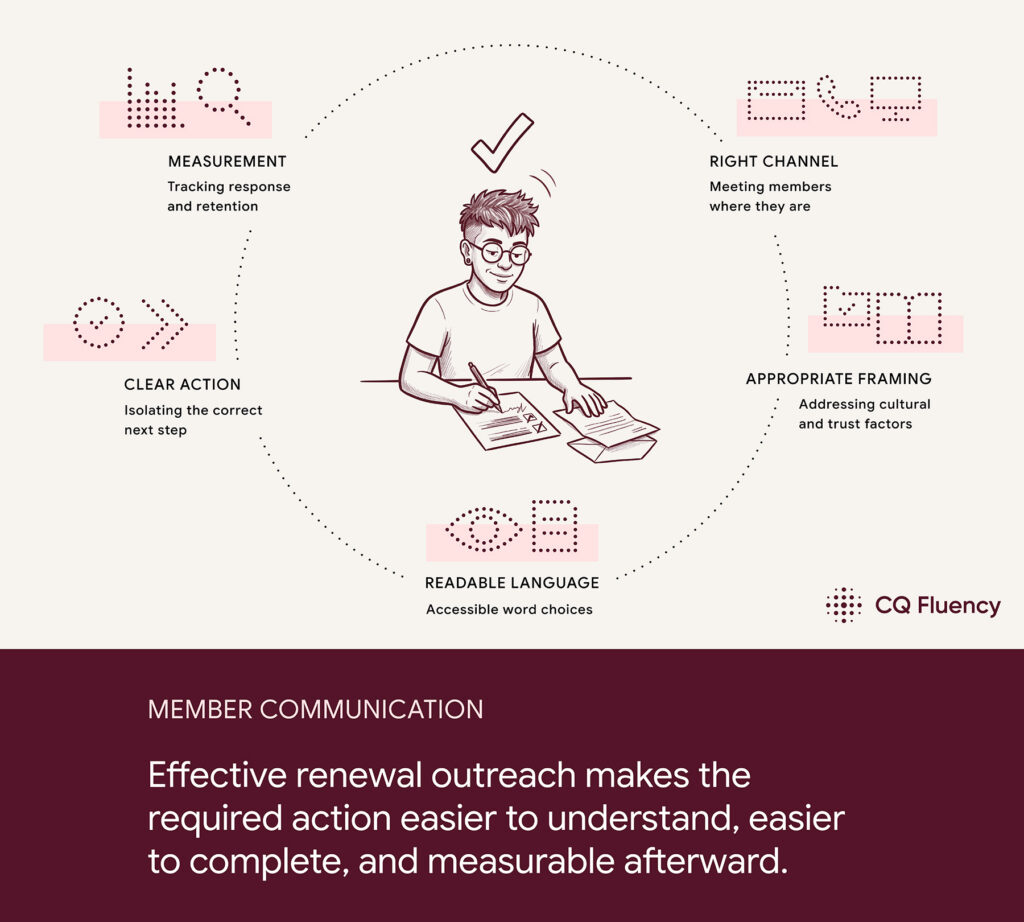
This is the discipline Cultural Intelligence brings to a renewal stream: identify where understanding breaks for each population, redesign to address it, and measure the retention difference in the plan’s own numbers.
The 2027 stakes make this permanent, not episodic
The unwinding was a surge, but redeterminations are now a standing rhythm, and their consequences are about to compound. The Health Equity Index begins shaping Star Ratings bonuses in 2027, weighted toward members with social risk factors: the same dual-eligible, low-income, and LEP members most likely to churn procedurally. A member lost to paperwork isn’t just lost premium; after 2027, the members who stay (and whether they understand their plan) carry bonus weight.
Plans that treat renewal communication as a design-and-measure problem now will enter that cycle with retention evidence. Those that treat it as a mailing requirement will keep paying for churn twice.
Frequently asked questions
What’s a procedural disenrollment? A disenrollment that happens without a determination of ineligibility, typically because renewal paperwork wasn’t returned or the process wasn’t completed. During the unwinding, roughly 69% of the 25+ million disenrollments were procedural.
Can health plans do outreach during redeterminations? Yes. CMS encouraged states to partner with managed care organizations and community organizations on renewal outreach. Plans control substantial member-facing channels that the official notice process doesn’t use.
Why do LEP members churn at higher rates? Renewal processes assume English literacy, system familiarity, and trust in official mail. Where those assumptions fail, coverage is lost for procedural reasons; the increases in churn observed among Hispanic children during the unwinding point to these barriers.
CQ Fluency builds culturally intelligent communications for health plans, including renewal and redetermination outreach designed to be understood by every member population, measured in retention. If churn is your number, start there:
Sources
- KFF Medicaid Enrollment and Unwinding Tracker: 25M+ disenrolled; 69% procedural share
- KFF policy analysis: procedural disenrollment rates and causes, incl. enrollees not understanding required steps
- KFF survey: ~half of enrollees heard “a little” or “nothing” about disenrollments resuming
- KFF, Key Themes from the Field: focus groups: confusion and barriers in renewal and appeals
- KFF, 10 Things to Know: churn increases largest among Hispanic children; MCO outreach partnerships
- Fierce Healthcare / KFF: ~10% annual Medicaid churn concentrated at renewal
- Advisory Board: insurer reports of higher-than-expected losses and weakened risk pools
- CMS / KFF: Health Equity Index and 2027 Star Ratings (companion article)