2027 D-SNP Rules: A Member Communication Challenge
BLOG
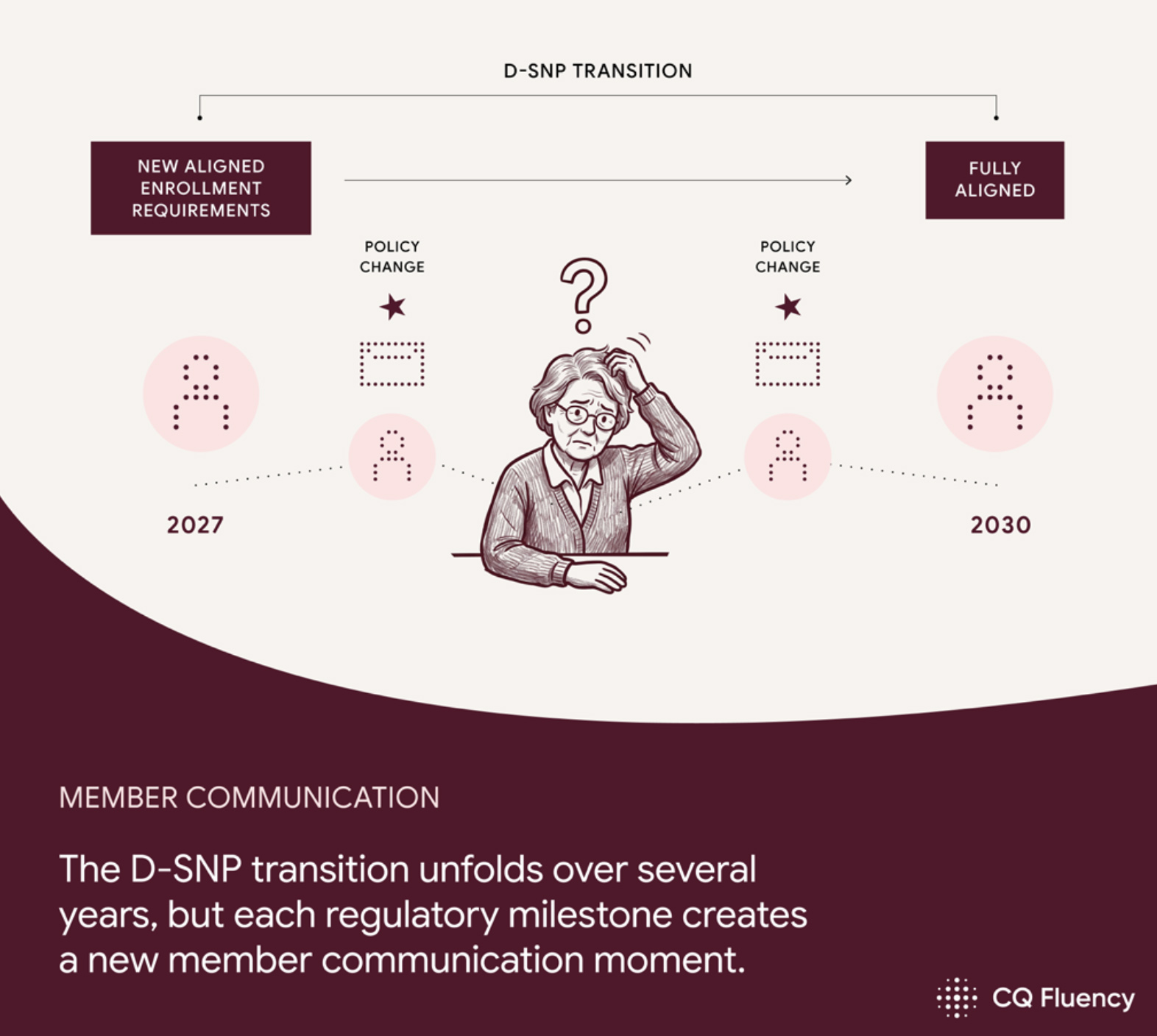
For a plan preparing for 2027, the natural places to apply that discipline are the streams already tied to Filed under compliance, the D-SNP rules are actually a mass member-communication event aimed at the members hardest to reach. Every duals team knows the regulatory outline by now. Beginning in 2027, where a Medicare Advantage organization offers a D-SNP and also holds a Medicaid managed care contract in overlapping service areas, new enrollment of full-benefit dual-eligible members is restricted to those enrolled in the affiliated Medicaid MCO. By 2030, membership in those D-SNPs must be fully aligned. Federal rules will also limit the number of D-SNP plan benefit packages, forcing consolidation decisions.
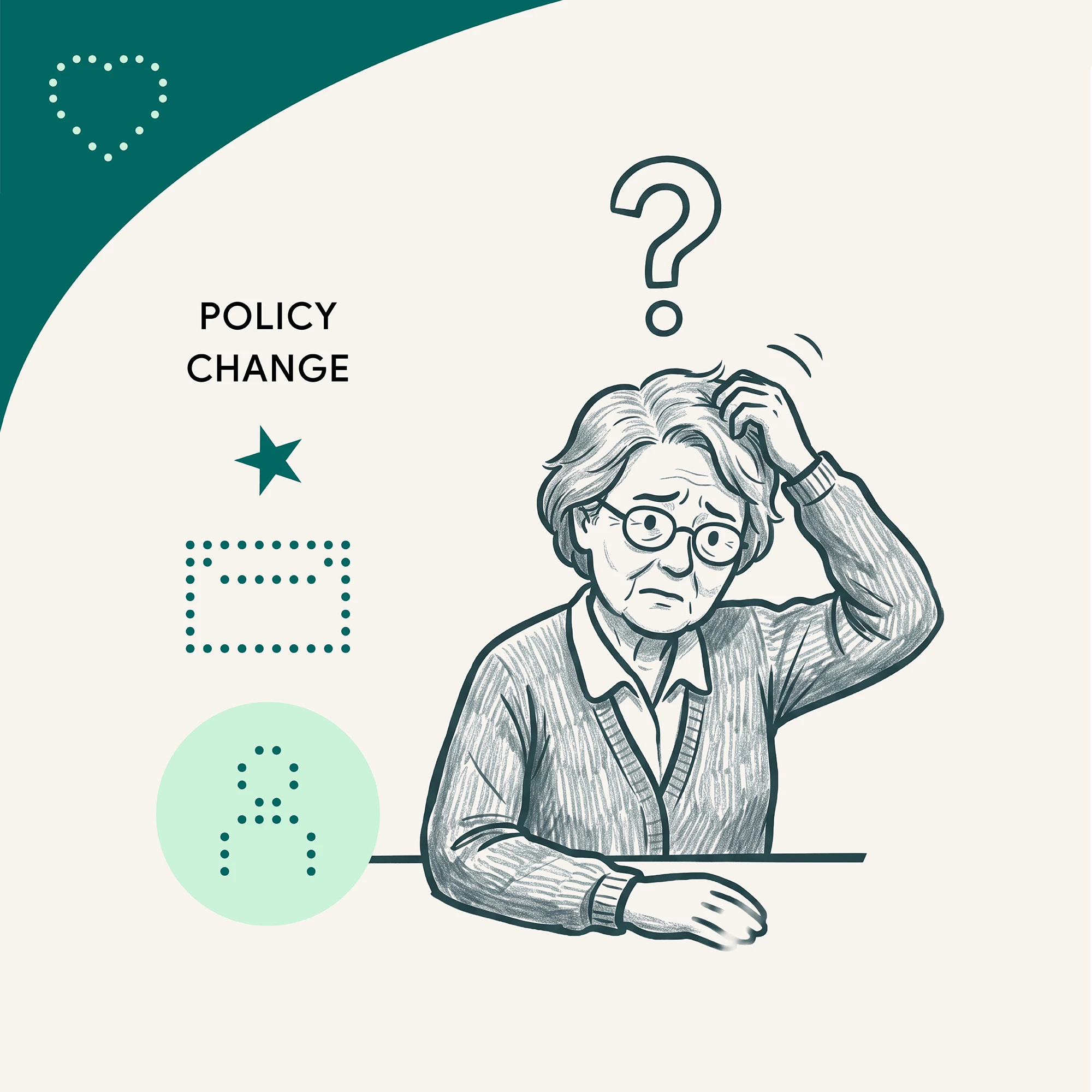
Legal and product teams are modeling the consequences: enrollment shifts, benefit-package redesign, and state contract updates. What’s getting less attention is how all of it reaches a member: a letter arrives explaining that their coverage is changing, what options they have, and what they must do.
For this population, that’s not an administrative detail. It’s the whole ballgame.
Who these letters are going to
Around 5.2 million dual-eligible individuals are enrolled in D-SNPs. By definition, they navigate two programs, Medicare and Medicaid, with different rules, timelines, and communication standards. Policy literature has long described that arrangement as fragmented and disjointed, even for sophisticated navigators.
Layer on the population’s profile: high rates of limited English proficiency, low health literacy, complex health needs, and deep sensitivity to any letter suggesting coverage might change. These are the members for whom “technically accurate” and “understood” diverge most sharply, and whose experience the Health Equity Index begins scoring for the 2027 Star Ratings, with bonus dollars attached.
In other words: the same window that requires plans to send their most consequential letters in years is when CMS starts paying based on whether members with social risk factors are well served.
The unwinding already showed us how this goes
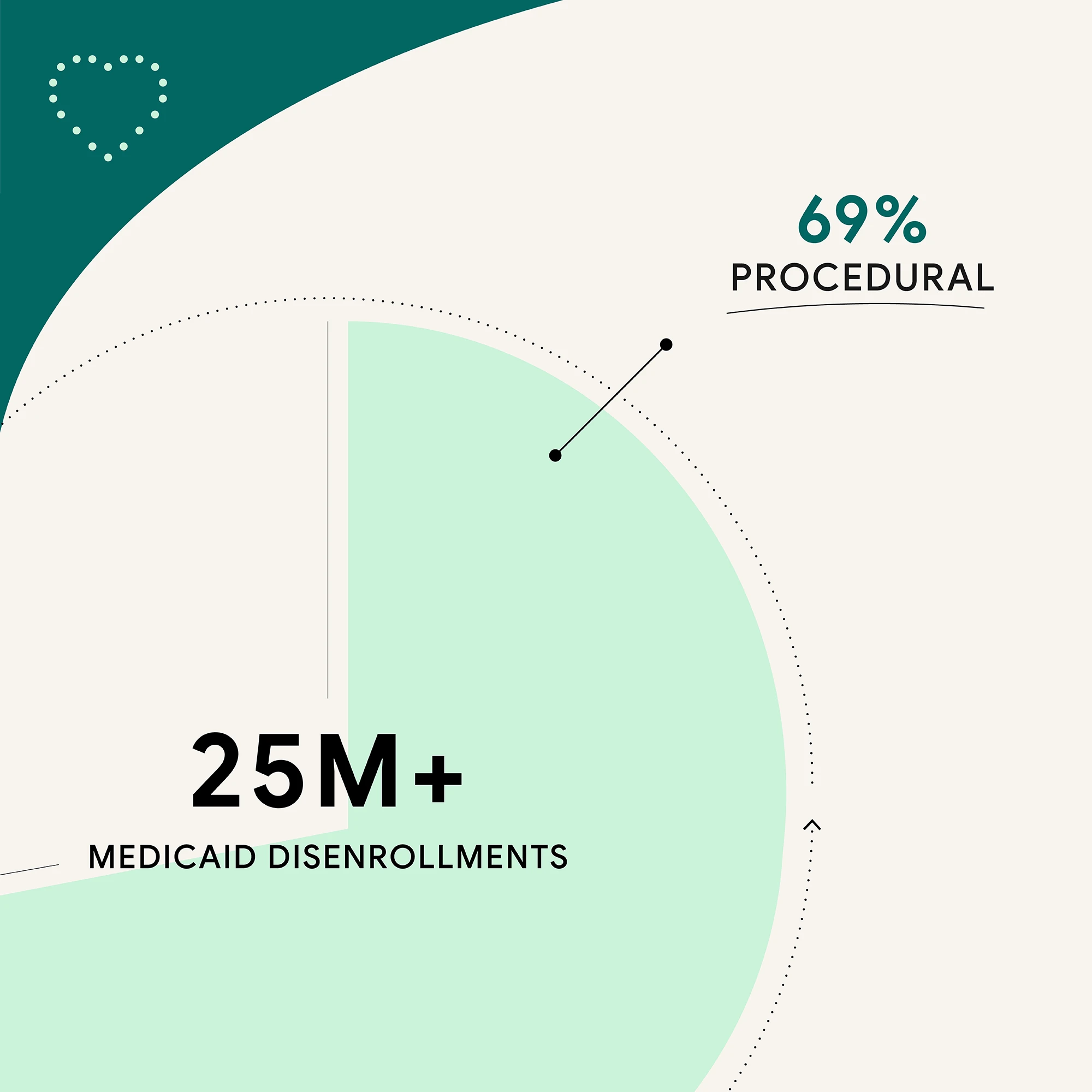
Plans don’t have to speculate about what happens when complex coverage communications meet this population. The Medicaid unwinding demonstrated it: of more than 25 million disenrollments, roughly 69% were procedural, involving paperwork not returned and notices not understood rather than ineligibility. Focus groups found that members lost coverage amid confusion about what was being asked of them.
Now translate that precedent to 2027. Transition notices that read as legal text. Options members didn’t know they had, including since 2025, a monthly integrated-care special enrollment period that lets full-benefit duals elect an aligned D-SNP. Deadlines buried in dense paragraphs. Households where the letter arrives in a language read by no one at home.
A member who doesn’t understand a transition notice doesn’t experience “aligned enrollment.” They experience losing their plan. The predictable results are disenrollment to competitors, grievances, appeals, call-center surges, and quality-measure damage precisely where the HEI weighting is heaviest.
The competitive dimension nobody’s pricing in
The D-SNP market is growing; plan offerings rose 12% for 2026, and the 2027 rules will put substantial numbers of members in motion between plans and packages. When members move, communication becomes an acquisition strategy.
A plan whose transition materials are understood keeps its members and inherits confused ones from competitors. A plan whose materials are merely compliant funds its rivals’ growth. As of 2023, most D-SNP members were in coordination-only arrangements facing the steepest integration changes. That difference compounds across every affected county.
What “designed to be understood” means for a transition notice
The compliance baseline, including model materials, mandated content, and required languages, is the floor. Designing that same communication for understanding means:
- The highest standard, applied once. Dual members sit under two regulatory regimes; aligning every material to the stricter state or federal language requirement gives them one coherent standard instead of two conflicting ones.
- Reading level and format matched to the population: plain-language cores, member-language versions built for how each community reads and decides, audio and alternate formats where needed.
- Make the decision navigable. What’s changing, what stays the same, what the member must do, by when, and what happens if they do nothing, in that order, separated from the legal text rather than buried in it.
- Cultural framing of continuity. For members with low trust in official mail, the message that works leads with what they keep, including their doctor and benefits, before what changes.
- Measurement. Measure comprehension before mass mailing. Afterward, track response and retention, and track call-driver and grievance data by language cohort. A transition program that isn’t measured is a hope.
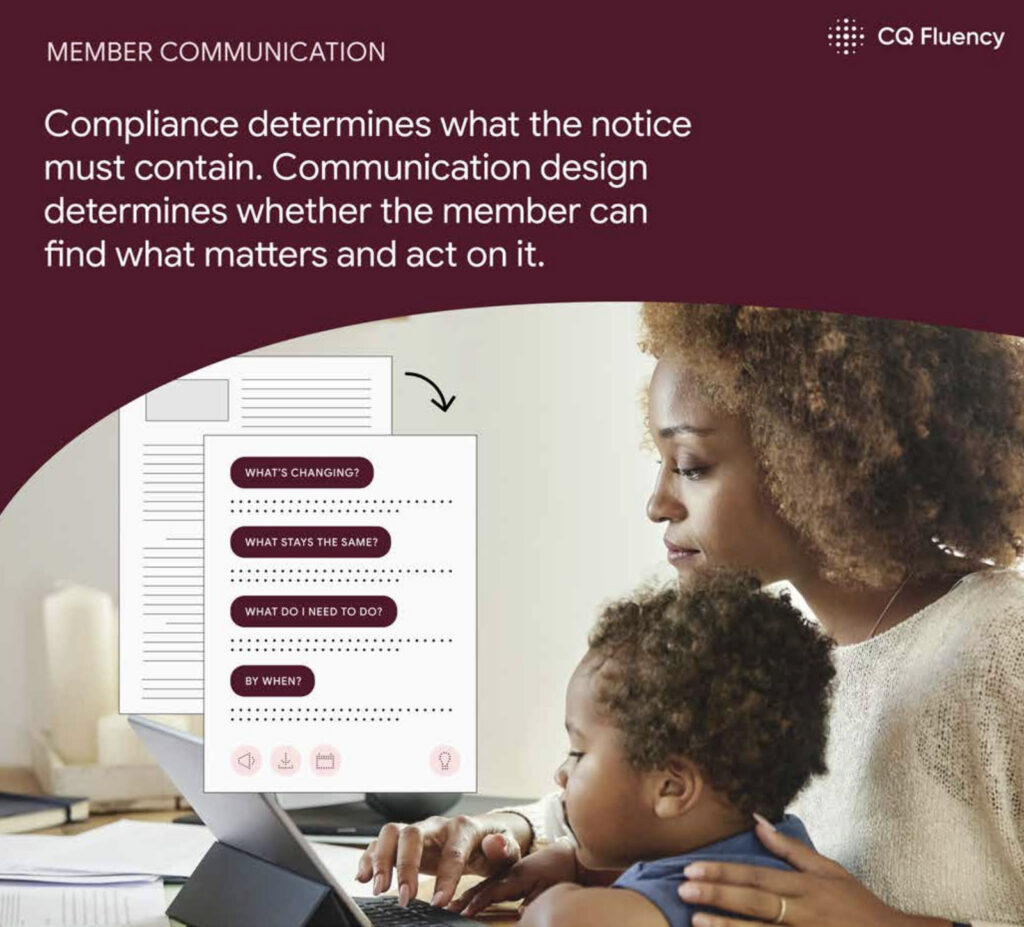
This is Cultural Intelligence applied to a regulatory event: not a different letter, but a letter that works, with evidence that it did.
The planning window is now
The 2027 rules take effect against 2026 planning calendars: state Medicaid agency contracts update annually, benefit-package consolidation decisions are being made, and HEI performance is already being measured. Plans that treat member communication as part of the transition architecture by designing, testing, and measuring it alongside the legal and product work will hold their members through the turn. Plans that treat it as the mail-merge at the end will discover, as the unwinding taught us, that the letter was the program.
Frequently asked questions
What changes for D-SNPs in 2027? Where an MA organization (or its parent) offers a D-SNP and also contracts as a Medicaid MCO in overlapping service areas, new enrollment of full-benefit duals into that D-SNP is limited to members of the affiliated Medicaid MCO. Federal rules also limit the number of D-SNP plan benefit packages. By 2030, membership must be fully aligned.
Can dual-eligible members change plans outside annual enrollment? Yes. Since January 2025, an integrated-care special enrollment period allows full-benefit dual-eligible individuals to elect an integrated D-SNP in any month to align with their Medicaid MCO. That makes clear member communication is a year-round retention factor, not an AEP-season one.
Why is this a communication risk and not just a compliance task? Because the affected population has the industry’s highest rates of limited English proficiency and low health literacy, and the unwinding demonstrated the cost of misunderstood coverage notices: roughly 69% of 25M+ disenrollments were procedural, not ineligibility.
CQ Fluency builds culturally intelligent communications for health plans, including D-SNP and transition communications aligned to the highest applicable standard, designed for the populations receiving them, and measured in retention and quality metrics. If 2027 is on your roadmap, put the member letters on it too:
Sources
- CMS, CY2025 MA Final Rule FAQs: § 422.514(h) aligned-enrollment provisions (2027, 2030)
- Milliman: 2026 D-SNP landscape: 12% plan-offering growth; benefit-package limits; state procurements
- KFF: 10 Things to Know About D-SNPs: 5.2M enrollees; CO/HIDE/FIDE mix; fragmentation of dual coverage
- CMS: Integrated Care SEP (2025) and Integrated D-SNP list
- Health Management Associates: state SMAC updates and transition communication demands
- KFF unwinding tracker and field research: 25M+ disenrollments, ~69% procedural, member confusion findings
- CMS / KFF: Health Equity Index and 2027 Star Ratings (companion article)